
"quality inspection"
2000 article(s) found

Description of Flavor of Yejiaxuefei Coffee Manor introduction of Grinding scale in producing area
Yega Chuefei Coffee Manor Flavor description Taste Variety characteristics of production area Grinding scale introduction of Ethiopian washed Coffee Yega Chefe G1 G2 Cedamo (Yirgacheffe, Sidamo) the highest grades are Grade 2 and Grade 3 (G2, G3), and most of the sun-processed coffee in eastern Ethiopia are Grade 4 or Grade 5 (G4, G5). In many cases, level 4 coffee is marked as level 5 in order to

Introduction to the grinding scale of Ethiopia Esopia Lion King coffee bean flavor description method
Ethiopia Esopia Lion King Coffee Bean Flavor description method Grinding scale introduces washed coffee accounts for 35% of exports. Good quality washed coffee is processed with freshly picked fully ripe fruit, picked carefully and closely monitored by professionals. The picked clean coffee beans are pulped on the day of picking, then fermented, washed, dried and peeled. After processing

Ethiopian Coffee Manor Flavor Description Grind Treatment Price Taste Introduction
Currently, about 25 percent of Ethiopia's population depends directly or indirectly on coffee production for their livelihood. Farmers using traditional farming methods predominate. Artificial care of coffee trees, use organic fertilizer, do not use harmful pesticides and herbicides, etc. Most of the coffee produced in Ethiopia is organic. Coffee can be classified as Forest or Semi-Forest Coffee due to different cultivation methods.

Ethiopian Coffee Flavor Flavor Manor introduces Ethiopian Coffee varieties
Washed coffee accounts for 35% of exports. Good quality washed coffee is processed with freshly picked fully ripe fruit, picked carefully and closely monitored by professionals. The picked clean coffee beans are pulped on the day of picking, then fermented, washed, dried and peeled. The humidity of processed coffee beans is kept at about 12%. Sun-cured coffee accounts for 65% of exports. Mainly by

Production and processing of coffee Sidamo guji coffee beans
At present, about 25% of the Ethiopian population directly or indirectly depends on coffee production for a living. The majority of farmers use traditional planting methods. Artificial care of coffee trees, the use of organic fertilizers, do not use harmful pesticides and herbicides, etc. Therefore, most of the coffee produced by Ethiopia is organic coffee. Due to different planting methods, coffee can be divided into forest-semi-forest coffee (Forest or semi-f).

Ethiopian Banci Maggie Coffee Flavor Description Grindness Taste Characteristics Variety
1. Limu coffee grows between 1400 meters and 2000 meters above sea level. washed coffee. Excellent quality, with intense nutty aromas, moderate acidity and wine intensity. Annual production of 29,000 tons. Gima coffee grows between 1400 and 1800 meters above sea level. Sunburn coffee. Slightly sour, nutty and long finish. Annual production of 70,000 tons. 3. Gambi Coffee

Bean hunter's "bean selection notes"! There are four criteria for selecting coffee beans.
Professional coffee knowledge exchange more coffee bean information Please pay attention to coffee workshop (Wechat official account cafe_style) Coffee raw beans are a kind of agricultural products, that is to say, even beans from the same estate are affected by a variety of subjective and objective conditions, the quality of each batch may not be the same, how to avoid buying raw beans into random or similar gambling situation, has always been a professional bean hunter / student

Introduction of Coffee Flavor description and Grinding scale varieties in Shaqiso producing area of Ethiopia
Ethiopian Sidamo Coffee Flavor description Grinding scale varieties taste introduction Ethiopian Sidamo is a type of single origin, growing in Arabica coffee in Sidamo province, Ethiopia. Like coffee in most African countries, Ethiopian Sidamo is characterized by small gray beans, but characterized by its rich, spicy, wine or chocolate-like taste and floral aroma.

Harmful coffee beetles were detected in coffee beans imported from Laos
Recently, during the inspection of a batch of 3.06 tons of raw coffee beans from Laos, staff of the Animal and Plant Department of Xiamen Haicang Inspection and Quarantine Bureau detected quarantine pest coffee fruits for the first time in Fujian Province. Coffee bark beetle has been listed in the list of quarantine pests prohibited from entry in China. In order to prevent the spread of coffee fruit beetle in China, Haicang Bureau has responded to the above-mentioned regulations in accordance with the relevant regulations.
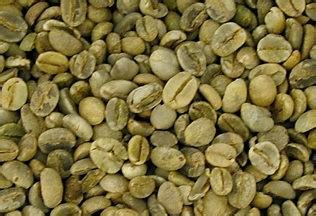
Which countries are mainly exported to the graded production areas of Ethiopian coffee beans
Coffee is Ethiopia's most important export cash crop and the main source of Ethiopia's foreign exchange earnings. Ethiopia's coffee exports account for about 3% of the world market, making it the eighth largest coffee exporter in the world. Coffee exports increased steadily from 58000 tons in 1990 to 110000 tons in 1995-1996 and remained at this level in the following years. 2001-2002

How to check the quality of a large number of roasted coffee beans? How to carry out the finished product inspection of coffee cooked beans?
Professional coffee knowledge exchange more information about coffee beans Please follow the coffee workshop (Wechat official account cafe_style) Coffee beans used in coffee shops and stores are all heavily roasted. In this process, we should not only operate according to the baking data made by the sample after baking, but also pay more attention to cater to customer needs and flavor preferences. Whether the result meets the expectations depends on a lot of baking.

Description of characteristics and flavor of Sidamo Lion King Coffee Bean introduction of variety grinding scale by taste treatment method
Flavor description of Sidamo Lion King Coffee beans before the decline in the introduction of the variety grinding scale, coffee exports accounted for more than half of Ethiopia's foreign exchange earnings, but now it accounts for only about 35%. However, according to the International Coffee Organization, coffee prices began to pick up in 2002, rising from 41 cents per pound in September 2001 to 52 cents per pound in 2002 and to every pound in 2003.

Description of characteristics and flavor of Sidamo Lion King Coffee Bean introduction of variety grinding scale by taste treatment method
Flavor description of Sidamo Lion King Coffee beans before the decline in the introduction of the variety grinding scale, coffee exports accounted for more than half of Ethiopia's foreign exchange earnings, but now it accounts for only about 35%. However, according to the International Coffee Organization, coffee prices began to pick up in 2002, rising from 41 cents per pound in September 2001 to 52 cents per pound in 2002 and to every pound in 2003.
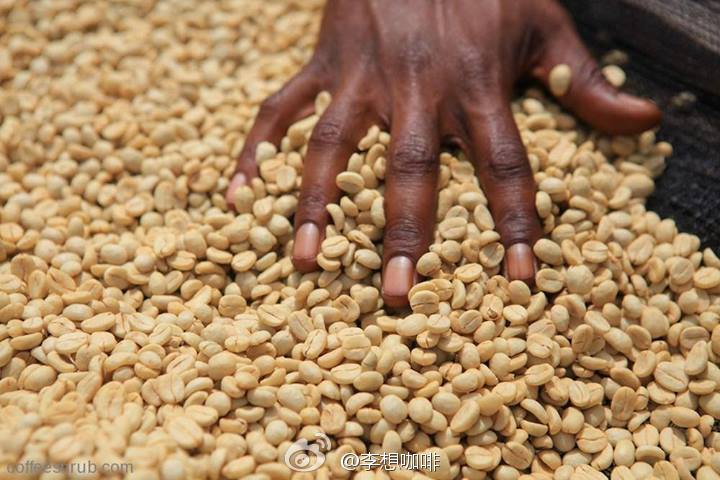
The method of picking raw beans how to pick raw beans steps of picking defective beans
How to check raw coffee beans by hand is the soul of a cup of coffee, successfully select fresh coffee, and then through grinding, filtering, brewing, you can get an ideal coffee. It is also very important to refer to the markings of origin and specifications and touch them directly with your hands to observe their appearance and feeling. To judge the quality of raw coffee beans by appearance, you must have a certain degree of experience, but only
Introduction to Export Information of Coffee planting methods in Ethiopia
Ethiopian coffee can be classified according to the way it is grown and processed. 1. According to the planting mode, coffee can be divided into three types: forest-semi-forest coffee, courtyard coffee and plantation coffee. (1) 60% of the coffee belongs to forest-semi-forest coffee. In such a wild coffee forest, pesticides are not used at all, but biological prescriptions are used.

Introduction to the description of planting Environment and Flavor of Coffee varieties with Grinding degree in Ethiopia
Washed coffee accounts for 35% of exports. Good quality washed coffee is processed with freshly picked fully ripe fruit, picked carefully and closely monitored by professionals. The picked clean coffee beans are pulped on the day of picking, then fermented, washed, dried and peeled. The humidity of processed coffee beans is kept at about 12%. Sun-cured coffee accounts for 65% of exports. Mainly by

Does Ethiopia's single bean taste good? the planting and processing of Ethiopia's single bean
Communication of professional baristas Please follow the coffee workshop (Wechat official account cafe_style) at present, there are two main indicators in Ethiopia's coffee grading and quality control system: visual inspection and cup evaluation, inspection items include the color, cleanliness, origin, taste and characteristics of coffee beans. The export rating is marked with a simple number, the best washed coffee is grade 5, and the best sun-cured coffee

Ethiopian Yega Sheffivoka Coffee Flavor Flavor Coffee introduction
In February 1977, Lieutenant Colonel Mengistu Haier Maryam (MENGISTU HAILE MARIAM) launched a military coup and served as Chairman of the interim military Administrative Council and head of State. In 1979, the Ethiopian Labor people's Party Organization Committee, dominated by soldiers, was established to implement an one-party system. In 1984, the Ethiopian Workers' Party was formed according to the Soviet Communist Party model. Mengistu, September 1987

Introduction of Ethiopian Coffee Coffee varieties, Brand characteristics, Flavor description, Grinding scale, Fine Coffee
Quality characteristics of Ethiopian coffee flavor description treatment sun-cured coffee accounts for 65% of exports. Mainly picked by families, red coffee beans are placed on cement floors or on high tables to dry to about 11.5% humidity, then peeled and cleaned. Coffee grading and quality control system in Ethiopia, coffee grading and quality control system is divided into producer, regional and national

Introduction to the methods of variety treatment in Ethiopian coffee flavor description and grinding degree production area
Washed coffee accounts for 35% of exports. Good quality washed coffee is processed with freshly picked fully ripe fruit, picked carefully and closely monitored by professionals. The picked clean coffee beans are pulped on the day of picking, then fermented, washed, dried and peeled. The humidity of processed coffee beans is kept at about 12%. Sun-cured coffee accounts for 65% of exports. Mainly by